





Latest Version
May 26, 2025
Sapphire Bytes
Strategy
iOS
0
Report a Problem
More About :game
Rather than controlling every movement like a traditional football simulation, you focus on building a strong zombie team, training its members, equipping accessories, and selecting the best lineup for each contest. Your goal is to defeat opponents, earn rewards, climb competitive leagues, and establish your team among the best in the game.
Baneball includes real-time one-versus-one matches, daily League games, Z-Cup competitions, Club activities, Super Ball events, sponsor accessories, and daily tasks. These systems create a combination of tactical decision-making, team development, resource management, and competitive progression.
Whether you enjoy assembling an effective lineup or competing against players around the world, Baneball offers a distinctive twist on the football strategy genre.
What Is Baneball: Football Rumble?
Baneball combines the familiar idea of team-based football with a humorous zombie-apocalypse setting. Instead of managing ordinary athletes, you recruit and develop undead players with different roles and abilities.
Your responsibility is to create a lineup capable of competing against other managers. You train your zombies, equip them with accessories, manage resources, and choose players whose abilities work well together.
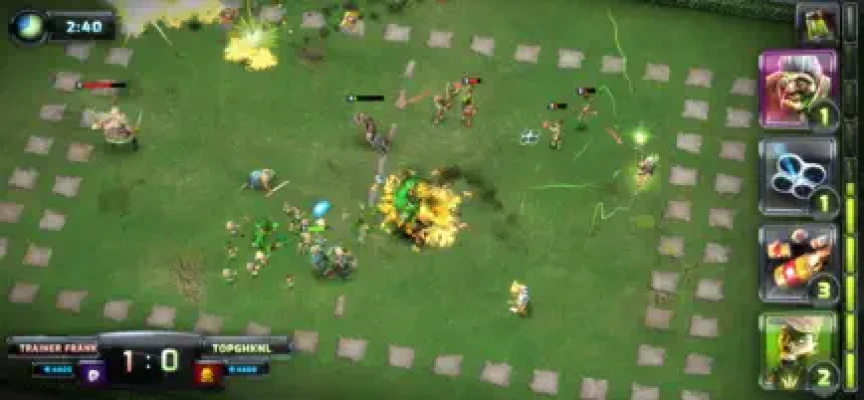
Matches are competitive and emphasize team preparation. Building the strongest possible lineup is important, but you also need to understand how individual players and accessories contribute to your overall strategy.
The game offers several competitive activities, including daily League matches, Z-Cup contests, and events involving Clubs. Each provides another opportunity to test your lineup and earn progression rewards.
Main Features of Baneball
Real-time PvP: Compete against other players in one-versus-one matches.
Zombie training: Develop your players to improve their effectiveness in future games.
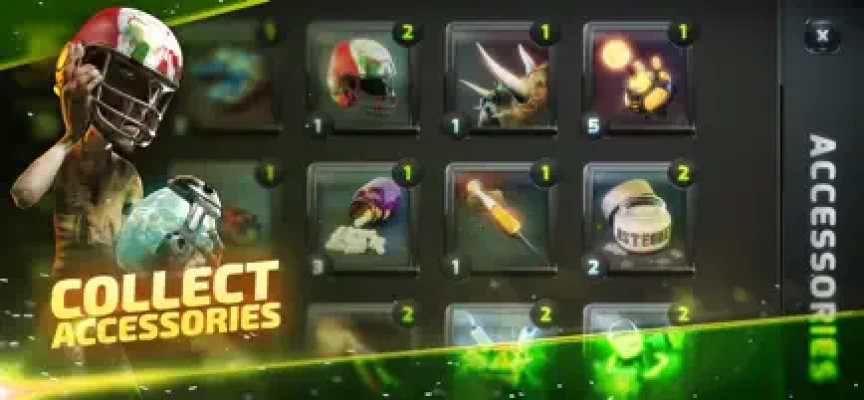
Accessories: Equip items that provide additional features or benefits to individual zombies.
Team lineup management: Select the combination of players that best suits your strategy.
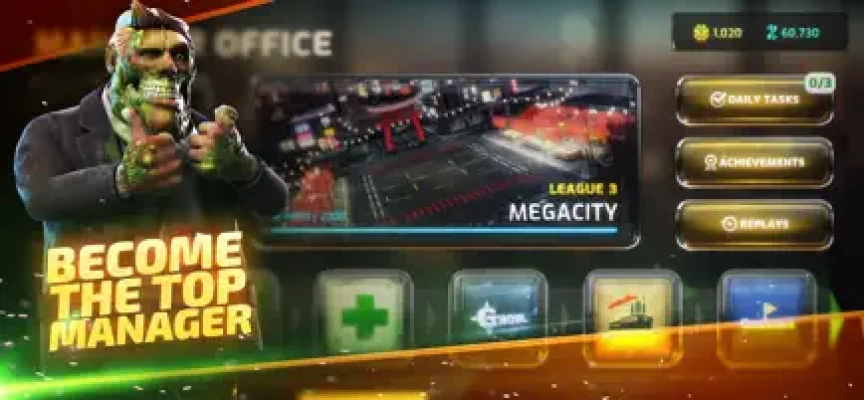
League competition: Play daily matches, advance through leagues, and compete in different arenas.
Z-Cup: Enter tournament-style competitions for rewards.
Clubs: Create or join a Club, share accessories, and participate in group activities.
Super Ball: Work with Club members to compete against other Clubs.
Daily tasks: Complete objectives to earn additional rewards.
Sponsor rewards: Obtain accessories that help improve your team's capabilities.
How to Play Baneball
New players should first learn the team-building system, understand how progression works, and explore the different match types. The game becomes easier to manage when you know which activities support your immediate goals and which contribute to long-term development.
1. Complete the Tutorial
Begin with the in-game tutorial to understand the basic mechanics. Pay attention to how you select players, arrange your lineup, train zombies, and enter matches.
The tutorial is also an opportunity to become familiar with the interface before competing against experienced opponents.
Avoid spending resources immediately on every available option. First, learn what each system does and identify the upgrades that offer the most value to your team.
2. Build Your First Lineup
Your lineup determines which zombies take part in a match. Different players can fill different roles, so avoid choosing your team based only on appearance or overall strength.
Look for a combination that supports the way you want to compete. A lineup with complementary roles can be more useful than one made up of several similar players.
As you unlock additional zombies and accessories, experiment with different combinations to discover which setup performs most consistently.
3. Train Your Zombies
Training helps strengthen your players and prepare them for more challenging opponents.
Instead of upgrading every zombie equally, focus first on the players who contribute most to your preferred lineup. Improving a core player can provide more immediate value than spreading resources across athletes you rarely use.
As your roster develops, expand your training efforts to cover weaknesses and build useful alternatives.
4. Equip Accessories
Accessories provide additional features that can improve individual zombies. You can earn powerful accessories through sponsor rewards and use them to customize your team.
Before equipping an item, consider which player will benefit most from it. An accessory should complement a zombie's role rather than simply being assigned to whoever is available.
Revisit your equipment as your roster grows. A newly acquired accessory may be more useful on a different player than the one currently carrying it.
5. Compete in League Matches
Daily League matches are one of the main ways to compete against other players and progress through the game's competitive structure.
Choose a lineup that you understand well and pay attention to the results. If you repeatedly struggle against certain opponents, review your player selection and equipment before the next match.
Consistency is important. A balanced team that performs reliably can be more useful over time than an experimental lineup that produces occasional wins but frequent losses.
6. Complete Daily Tasks
Daily tasks provide additional objectives and rewards. Check the available tasks regularly and prioritize those that align with your current progression goals.
If a task involves an activity you already plan to complete, it may be an efficient way to gain extra value from your normal play.
Avoid spending valuable resources solely to finish a task unless the reward is worth the cost.
Complete Baneball Strategy Guide
Winning in Baneball requires a combination of smart lineup construction, focused training, useful equipment, and efficient resource management. These strategies can help you make better decisions as your team develops.
Strategy 1: Build a Balanced Team
A lineup should be designed around the roles needed to function effectively as a team.
Choosing only the players who appear strongest individually may leave important weaknesses in your formation. Instead, look at how each zombie contributes to the overall lineup.
Ask yourself three questions when building a team:
Does the lineup have the necessary roles covered?
Do the selected players complement one another?
Is there a weakness that a different player could help address?
A balanced lineup gives you a reliable foundation for testing new strategies and preparing for tougher competitions.
Strategy 2: Focus on Your Core Players
Training resources are valuable, especially during the early stages of progression. Investing in too many players at once can slow the development of your strongest lineup.
Identify the zombies you use most frequently and prioritize their improvement. Once those players reach a useful level, begin strengthening alternative options.
This approach allows you to develop a dependable first team without neglecting the rest of your roster indefinitely.
However, do not ignore every backup player. Having alternatives can help you adapt when a different lineup is better suited to a particular challenge.
Strategy 3: Match Accessories to Player Roles
Accessories can add useful capabilities to your zombies, but their value depends on how they fit the player wearing them.
Consider the purpose of each item before assigning it. An accessory that supports a player's primary function may be more effective than one that provides a benefit unrelated to that role.
Use the following general approach:
Identify the role of the zombie.
Examine the available accessories.
Compare their benefits with the player's strengths.
Equip the item that offers the clearest strategic advantage.
Review the setup after obtaining better equipment.
The game's accessory system encourages experimentation. Keep track of which combinations appear to perform well and adjust your lineup as you discover better options.
Strategy 4: Avoid Spending Resources Too Quickly
Resource management is an important part of Baneball. Training, equipment, and competitive activities all contribute to progression, but spending without a plan can leave you short of what you need later.
Before making an upgrade, consider whether it will meaningfully improve your current team.
Prioritize improvements that strengthen an important role, help your main lineup compete, or solve a weakness you encounter frequently.
Do not assume that every available upgrade deserves immediate investment. Saving resources for a more useful improvement can be the better decision.
Strategy 5: Learn From Every PvP Match
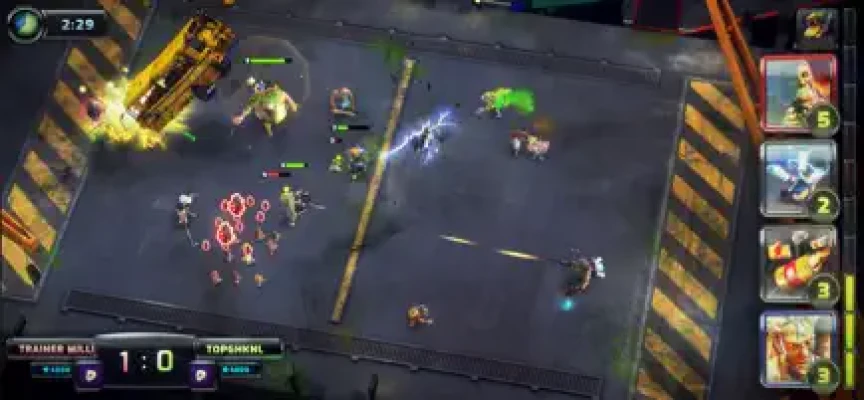
Real-time one-versus-one matches give you an opportunity to evaluate your lineup against other managers.
A loss does not necessarily mean that every player on your team is weak. The problem may be an unbalanced formation, underdeveloped core players, or accessories that do not complement your setup.
After a difficult match, review what you can change. If your team consistently struggles, adjust one or two elements and test the result rather than rebuilding everything at once.
This makes it easier to identify which changes actually help.
Strategy 6: Adapt to Your Opponent
A lineup that works well against one opponent may not be equally effective against another.
Pay attention to the challenges you encounter and consider whether your team needs a different combination of players or equipment.
Avoid relying on one rigid setup if you have enough roster depth to experiment. A willingness to make targeted changes can improve your chances against a broader range of opponents.
At the same time, do not change your lineup after every small setback. Look for repeated patterns before deciding that a particular setup needs a major adjustment.
Strategy 7: Use Daily League Matches Wisely
League matches help you pursue higher competitive ranks and experience different arenas.
Approach each match with a clear objective. You might be testing an upgraded player, evaluating a new accessory, or using your most reliable lineup to pursue a win.
If you are close to a meaningful progression milestone, prioritize consistency over unnecessary experimentation.
Use less important opportunities to test new combinations, then bring the most promising setup into more competitive matches.
Strategy 8: Treat Z-Cup as a Strategic Opportunity
Z-Cup matches provide another competitive activity with the potential for substantial rewards.
Before entering, consider whether your lineup is prepared and whether the participation cost fits your resource budget.
If the event requires a currency or resource, avoid spending it without considering the likely benefit. Building a stronger team first may improve your results in later attempts.
Use Z-Cup to test your preparation and identify areas where your roster needs additional work.
Strategy 9: Join an Active Club
Clubs provide social and strategic benefits beyond individual matches. Members can share accessories, receive ongoing Club income, and participate in group activities.
An active Club can make progression more engaging because you are no longer working toward every goal alone.
When choosing a Club, look for one whose activity level and approach match your own. If you enjoy participating regularly, a group that consistently takes part in available events may be especially valuable.
Strategy 10: Coordinate During Super Ball Events
Super Ball allows Club members to compete together against other Clubs.
Treat these events as a group objective rather than an isolated personal challenge. Strengthening your own roster is useful, but coordinated participation can also help your Club make better use of its combined resources and opportunities.
Check the event requirements and make sure your team is prepared before committing to participation.
Strategy 11: Complete Daily Tasks Efficiently
Daily tasks can provide useful rewards, particularly when you are building your roster.
Review the available objectives and identify which ones can be completed through activities you already intend to play.
This reduces wasted effort and helps you make better use of your available time.
If a task requires significant spending or a difficult activity, compare the reward with the cost before deciding whether to pursue it.
Strategy 12: Develop a Long-Term Progression Plan
Baneball is designed around repeated matches, training, equipment, and competitive progression. You will generally benefit from treating team development as an ongoing process.
A practical plan is to:
Establish a reliable starting lineup.
Train your most important zombies.
Equip accessories that complement their roles.
Play League matches and collect available rewards.
Complete daily tasks.
Participate in Club activities.
Expand your roster and refine your strategy.
This creates a consistent cycle of improvement without requiring you to spend resources on every new option.
League Matches and Competitive Progression
League competition is central to Baneball's multiplayer experience. Players compete in daily matches, seek higher rankings, and progress through different leagues and arenas.
How to Approach League Play
Start with a lineup you know well. Familiarity makes it easier to evaluate whether a result came from your team's strengths or from a particular weakness.
When you unlock better zombies or accessories, introduce them gradually. Testing a single change at a time helps you understand whether the upgrade improves your team's performance.
Climbing Through the Leagues
Advancing through competitive leagues requires more than collecting powerful players. You also need to use your resources efficiently and maintain a lineup that can handle different opponents.
Focus on developing your main team and avoid making drastic changes based on one result.
Preparing for New Arenas
As you advance, the competitive environment may change. Treat each new stage as an opportunity to reassess your team rather than assuming that your existing strategy will remain optimal forever.
Review your roster, improve any obvious weaknesses, and continue testing useful combinations.
Z-Cup: Tips for Better Results
Z-Cup is a competitive mode in which players can pursue rewards by facing opponents.
Because tournament-style activities can involve resource costs, preparation is important.
Prepare Before Entering
Check your current lineup and make sure your key players are trained and equipped appropriately. If you have recently unlocked a useful accessory, consider whether it could improve your team's effectiveness.
Manage Your Participation Resources
Avoid spending every available resource on repeated attempts without evaluating the results. If your team is struggling, use the experience to identify what needs improvement before entering again.
Learn From Strong Opponents
When you face a particularly effective lineup, consider what makes it difficult to beat. It may have a more balanced structure, better-developed players, or accessories that complement one another.
Use those observations to refine your own team rather than copying an opponent without understanding the reasons behind their success.
Clubs and Super Ball Strategy
Clubs create a cooperative layer within Baneball. Players can create or join a Club, share accessories, receive Club income, and participate in Super Ball competitions.
Why Joining a Club Helps
A Club provides access to group activities and creates opportunities to benefit from other members' participation.
If you are new to the game, joining an active Club can help you become more familiar with the cooperative side of Baneball.
How to Choose a Club
Consider the following factors:
Activity level of the members.
Participation in available Club events.
Willingness to share accessories.
Whether the group's goals match your own.
How frequently you expect to play.
The best Club is not necessarily the one with the most advanced members. A group that remains active and supports its members may be a better long-term fit.
Make the Most of Super Ball
Super Ball is a group competition against other Clubs. Prepare your lineup, participate when possible, and use the event to identify areas where your team needs improvement.
Even when the outcome is not ideal, the experience can help you decide which upgrades should receive priority next.
Zombie Training and Team Development
Training is one of the main ways to improve your squad. Developing the right players can help you become more competitive without constantly changing your lineup.
Prioritize Useful Improvements
Focus on players who have an important role in your preferred setup. A stronger core lineup can help you get more value from your regular matches and competitive events.
Expand Your Options Gradually
Once your primary team is performing reliably, begin improving alternative zombies. This creates more flexibility and allows you to experiment with different lineups.
Reassess Your Roster Regularly
As you unlock additional players and accessories, revisit your original choices. A zombie who was essential early in the game may eventually be replaced by a more suitable option.
Do not be afraid to adjust your lineup when a clear improvement becomes available.
Sponsor Accessories and Equipment Guide
Sponsor accessories are an important part of Baneball's progression system. They provide extra features that can make your zombies more effective.
Choose Accessories Strategically
Rather than equipping items randomly, think about how each accessory contributes to the role of the player wearing it.
A useful accessory should improve your team's overall effectiveness or help address a specific weakness.
Evaluate New Items Before Reorganizing Everything
When you obtain an accessory, consider which player would benefit most from it. Moving equipment between players may create a better combination, but changing several items at once makes it difficult to evaluate the results.
Make targeted adjustments and observe how the lineup performs.
Avoid Overlooking Equipment You Already Own
It is easy to focus on newly acquired items while forgetting that existing accessories may still be useful.
Review your inventory from time to time. An accessory that does not fit your primary lineup may be valuable for an alternative setup.
Daily Rewards and Resource Management
Daily tasks, League matches, Club activities, and other competitions contribute to progression. Making efficient use of these opportunities can help you improve your team without unnecessary spending.
Establish a Daily Routine
When you open the game, check the available tasks and activities. Identify the rewards that align with your goals and prioritize the most practical objectives.
Balance Training and Competition
Training strengthens your players, while matches provide opportunities to compete and earn rewards. Both are important, so avoid focusing entirely on one at the expense of the other.
Save Resources for Meaningful Upgrades
Do not spend simply because a purchase or upgrade is available. Consider whether it will improve a key player, strengthen your lineup, or help you reach an important milestone.
Understand the Difference Between Progress and Spending
Optional purchases can provide additional resources, but they are not a substitute for understanding the lineup and accessory systems.
If you prefer free progression, focus on the daily activities and competitive opportunities available to you, and use your resources carefully.
Common Baneball Mistakes to Avoid
Choosing Players Without Considering Their Roles
A lineup filled with individually strong zombies may still have weaknesses. Consider how the players work together and whether the team has a balanced structure.
Training Every Zombie Equally
Spreading resources too thinly can delay meaningful improvements. Prioritize the players who contribute most to your main lineup, then develop alternatives as your resources allow.
Equipping Accessories Randomly
Accessories should complement the players wearing them. Think about their benefits and how they fit your team's overall strategy.
Rebuilding Your Team After Every Loss
One defeat does not necessarily mean your entire lineup is wrong. Identify the specific problem and make a targeted change before considering a complete rebuild.
Ignoring Daily Tasks
Daily tasks provide additional objectives and rewards. Checking them regularly can help you make better use of your normal play sessions.
Spending Too Much on Competitive Attempts
Before entering resource-consuming activities, consider whether your team is prepared and whether the potential reward justifies the cost.
Neglecting Club Activities
Clubs offer benefits beyond individual matches. If you enjoy cooperative play, participating in Club activities can add value to your progression.
Making Upgrades Without a Plan
An upgrade is most useful when it solves a problem or improves an important part of your lineup. Establish your priorities before spending valuable resources.
Is Baneball: Football Rumble Free to Play?
Baneball is free to download and includes optional in-app purchases. The App Store listing includes purchases for brains, a game resource, along with various League offers.
The game's progression systems include training, competitive matches, sponsor accessories, daily tasks, and Club activities. These provide several ways to engage with the game, although the pace of progression can depend on how you manage your resources and participate in available activities.
Some competitive activities may require resources to enter. For this reason, it is worth checking the cost of an activity and the potential reward before committing to repeated attempts.
You do not need to purchase every available offer simply because it appears in the game. Focus on learning the mechanics, improving your lineup, and deciding whether optional purchases offer enough value for your play style.
In-app prices can vary by region and may change over time.
Graphics, Theme, and Overall Experience
Baneball stands out because it combines a zombie-apocalypse setting with a football-inspired competitive format.
Instead of presenting a realistic football simulation, the game emphasizes unusual characters, team customization, accessories, and head-to-head strategy. The result is a lighter, more fantastical approach to sports competition.
Its strongest appeal is the combination of roster management and multiplayer progression. Players who enjoy developing a team, experimenting with equipment, and comparing their results against other managers have several systems to explore.
The game is especially suited to players who prefer making strategic decisions before and during competitive progression rather than directly controlling every action on the field.
Device Compatibility and Online Requirements
According to the App Store listing, Baneball supports iPhone and iPad devices running iOS 12.5 or later and iPadOS 12.5 or later. It also lists support for compatible Apple silicon Mac computers and Apple Vision.
The listed app size is approximately 273.2 MB. Actual storage requirements may vary with updates and device conditions.
The game is listed in English and has an age rating of 13+, with cartoon or fantasy violence noted in the store information.
Because Baneball emphasizes real-time one-versus-one matches and other connected activities, an internet connection is important for accessing its multiplayer features.
Frequently Asked Questions
What is Baneball: Football Rumble?
Baneball is a multiplayer strategy game that combines football-inspired competition with zombie team management. Players train undead athletes, equip accessories, select lineups, and compete against other managers.
Who developed Baneball?
Baneball: Football Rumble was developed by Sapphire Bytes.
Is Baneball a traditional football simulation?
No. It is primarily a strategy and team-management game with football-inspired matches. The main focus is on preparing your zombie team, choosing players, and using progression systems to improve your chances against opponents.
Can you play against other players?
Yes. Baneball includes real-time one-versus-one matches against players around the world.
How do you improve your zombies?
You can train your zombies to strengthen them for upcoming matches. Prioritize the players who contribute most to your main lineup before spreading resources across the rest of your roster.
What do accessories do?
Accessories provide additional features for equipped zombies. You can obtain them through sponsor rewards and assign them to players whose roles benefit from the available effects.
What is League mode?
League matches are daily competitive games that allow players to pursue higher leagues and compete in different arenas.
What is Z-Cup?
Z-Cup is a competitive mode that offers players an opportunity to challenge opponents and pursue rewards.
What are Clubs in Baneball?
Clubs are groups that players can create or join. They provide opportunities to share accessories, receive Club income, and participate in cooperative competitions.
What is Super Ball?
Super Ball is a Club-based competition in which members work toward defeating other Clubs.
How can beginners progress more efficiently?
Start by learning the tutorial, building a balanced lineup, and training your most important zombies. Equip accessories strategically, complete daily tasks, and participate in activities that fit your current progression goals.
Is Baneball free to download?
Yes. The game is free to download and includes optional in-app purchases for resources and offers.
Does Baneball require an internet connection?
Its real-time multiplayer and connected competitive features require internet access. An internet connection is important for the main competitive experience.
What is the best strategy for winning more matches?
Build a balanced lineup, develop your core players, equip accessories that complement their roles, and learn from the results of each match. Avoid wasting resources on upgrades that do not address an important team need.
Final Verdict: Is Baneball: Football Rumble Worth Playing?
Baneball: Football Rumble offers a distinctive combination of zombie-themed sports action, multiplayer strategy, and team management. Its unusual setting helps it stand apart from conventional football games, while its training, accessories, League matches, and Club competitions provide long-term goals.
The most rewarding part of the experience is building a lineup that works well together. Training the right zombies, assigning useful accessories, managing resources, and learning from opponents can all contribute to better results.
The game is particularly appealing to players who enjoy competitive progression and strategic team building. Those looking for a traditional football simulation with direct control over every movement may find its management-focused approach different from what they expect.
For the best start, learn the tutorial, develop your main lineup, complete daily tasks, and join an active Club when you are ready. Make thoughtful upgrades rather than spending resources impulsively, and use each match to improve your understanding of the game.
If you enjoy multiplayer strategy games with unusual characters, team development, and competitive events, Baneball: Football Rumble is worth exploring.
Rate the Game
User Reviews














Popular Games



















 Android
 iOS
 Windows
 Xbox